Home › Ingredients › Choco Mochi
Choco Mochi
Orion · 0/100 · Not approved
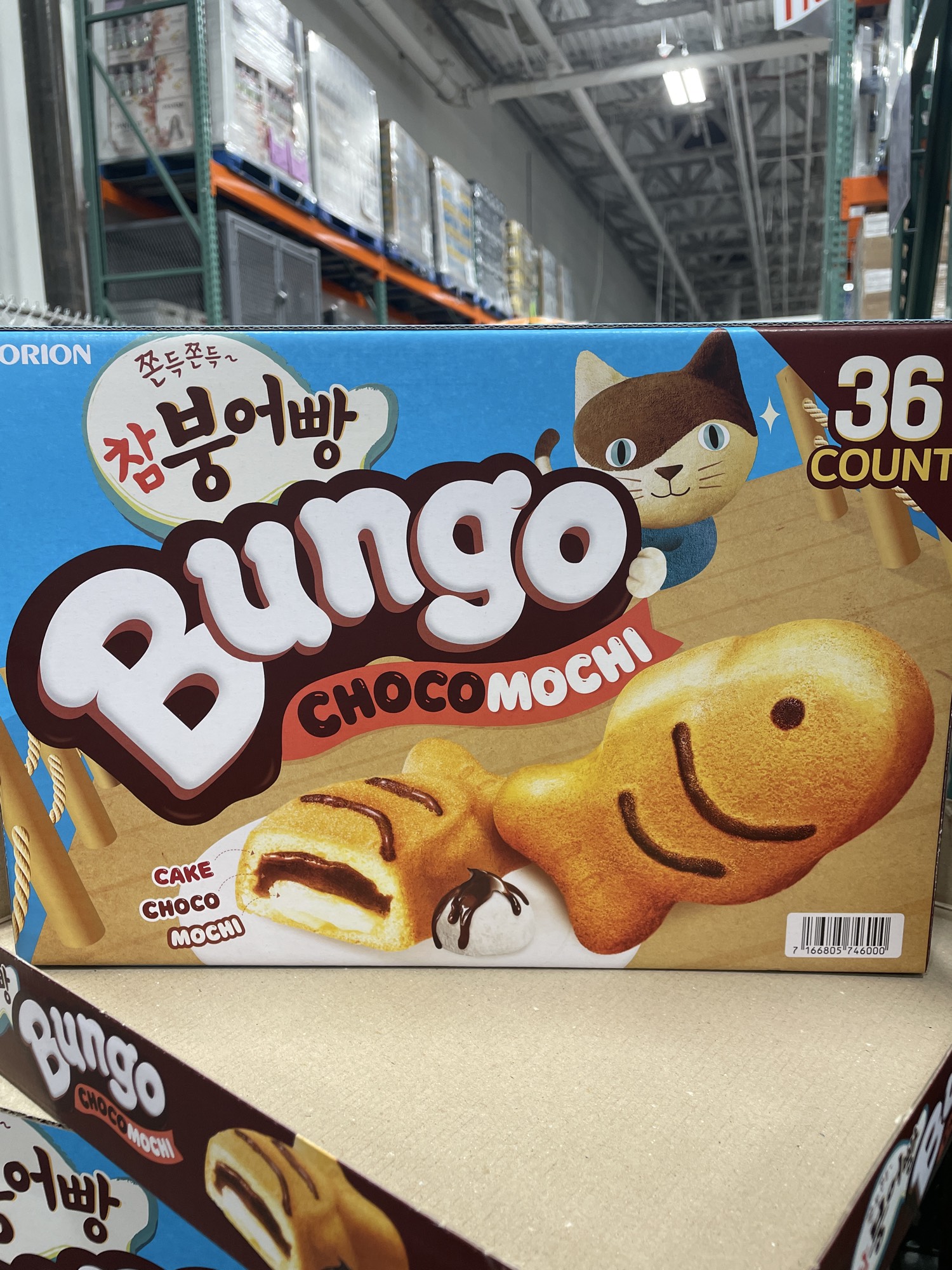
7 not-approved ingredients detected; 6 banned in at least one country
What we flagged
| Ingredient | Verdict | Why |
|---|---|---|
| Sugar (Refined) | Caution | Refined sucrose, typically from sugarcane or sugar beet; minimally processed but a refined sweetener. |
| Milk Powder | Caution | Dehydrated milk; spray-drying can oxidize cholesterol. |
| Vegetable Oil (unspecified) | Not approved | Generic label almost always refers to a blend of soybean, corn, or canola oil. |
| Sunflower Oil | Not approved | Refined seed oil; high-oleic variants slightly more stable but still industrially processed. |
| Soy Lecithin | Caution | Hexane-extracted from soybeans unless labeled non-GMO/organic. |
| Artificial Flavors | Not approved | Undisclosed synthetic flavoring compounds. |
| Xanthan Gum | Caution | Microbial fermentation product; well tolerated by most but can cause GI distress in sensitive individuals. |
| Corn Oil | Not approved | Industrial seed oil; refined via heat and solvents from a low-oil source crop. |
| Maltodextrin | Caution | Highly processed starch derivative with a glycemic index higher than table sugar. |
| Mono- and Diglycerides | Caution | Often contain trans fats below the 0.5g labeling threshold. |
| Potassium Sorbate | Caution | Generally regarded as safe but may cause skin reactions; one of the better-tolerated synthetic preservatives. |
| Sodium Propionate | Caution | Mold inhibitor; similar to calcium propionate. |
| Blue 1 (Brilliant Blue FCF) | Not approved | Synthetic triarylmethane dye; was banned in France, Norway and Finland until 2008 EU harmonization. |
| Red 40 (Allura Red AC) | Not approved | Synthetic azo dye linked in studies to hyperactivity in children. Mandatory warning label in the EU. |
| Yellow 5 (Tartrazine) | Not approved | Synthetic azo dye associated with hyperactivity in sensitive children; mandatory warning label in the EU. |
How the score was reached
100 − 50×7 − 10×8 − 5×0 = 0
| Reason | Points | Detail |
|---|---|---|
| Vegetable Oil (unspecified) | -50 | Generic label almost always refers to a blend of soybean, corn, or canola oil. |
| Sunflower Oil | -50 | Refined seed oil; high-oleic variants slightly more stable but still industrially processed. |
| Artificial Flavors | -50 | Undisclosed synthetic flavoring compounds. |
| Corn Oil | -50 | Industrial seed oil; refined via heat and solvents from a low-oil source crop. |
| Blue 1 (Brilliant Blue FCF) | -50 | Synthetic triarylmethane dye; was banned in France, Norway and Finland until 2008 EU harmonization. |
| Red 40 (Allura Red AC) | -50 | Synthetic azo dye linked in studies to hyperactivity in children. Mandatory warning label in the EU. |
| Yellow 5 (Tartrazine) | -50 | Synthetic azo dye associated with hyperactivity in sensitive children; mandatory warning label in the EU. |
| Sugar (Refined) | -10 | Refined sucrose, typically from sugarcane or sugar beet; minimally processed but a refined sweetener. |
| Milk Powder | -10 | Dehydrated milk; spray-drying can oxidize cholesterol. |
| Soy Lecithin | -10 | Hexane-extracted from soybeans unless labeled non-GMO/organic. |
| Xanthan Gum | -10 | Microbial fermentation product; well tolerated by most but can cause GI distress in sensitive individuals. |
| Maltodextrin | -10 | Highly processed starch derivative with a glycemic index higher than table sugar. |
| Mono- and Diglycerides | -10 | Often contain trans fats below the 0.5g labeling threshold. |
| Potassium Sorbate | -10 | Generally regarded as safe but may cause skin reactions; one of the better-tolerated synthetic preservatives. |
| Sodium Propionate | -10 | Mold inhibitor; similar to calcium propionate. |
Ingredients
liquid eggsSugar (Refined)Wheat Flourpolyglycitol syrupchocolateMilk Powdercocoa massVegetable Oil (unspecified)palm oilSunflower OilCocoa ButterSoy Lecithinbutter oilMilkArtificial FlavorsVanilla ExtractshorteningCoconut Oilpalm olein oilpalm stearin oiloleoresin rosemaryred bean pastesteamed red beanarevitalized disodium adipateSaltXanthan GumCorn OilTapioca StarchMaltodextrinhydroxypropyl starchwheat glutenCreampalm kernel oilshea butter oilisomolto-oligosaccharidesstarch acetated-sorbitolMono- and Diglyceridespropylene glycolsucrose fatty acid esterssorbitan monostearaterosemary oil extractsodium bicarbonatesodium acid pyrophosphatefumaric acidRice Flourcustard cream powdermodified potato starchlactosesodium alginatelocust gumsucrose syrupwhey powdermilk proteinglyceryl-lacto esters of fatty acidsbeta-caroteneriboflavinPotassium SorbatepreservativeSodium Propionateglucono-delta-lactonecolorsBlue 1 (Brilliant Blue FCF)Red 40 (Allura Red AC)Yellow 5 (Tartrazine)polysorbate 20fructose
Diets this fits
Pescatarian
Where to buy
As an Amazon Associate we earn from qualifying purchases. Scores come from our ingredient rules — never from commissions.
Scan it instead of reading labels
SmartChoice checks every ingredient on a product against these same rules — point your camera at the barcode and get a verdict in seconds.
Get SmartChoice — free on iPhoneEducational information, not medical or dietary advice. Scores reflect what the label states, checked against our published rules. Labels change — always read the product’s own packaging.